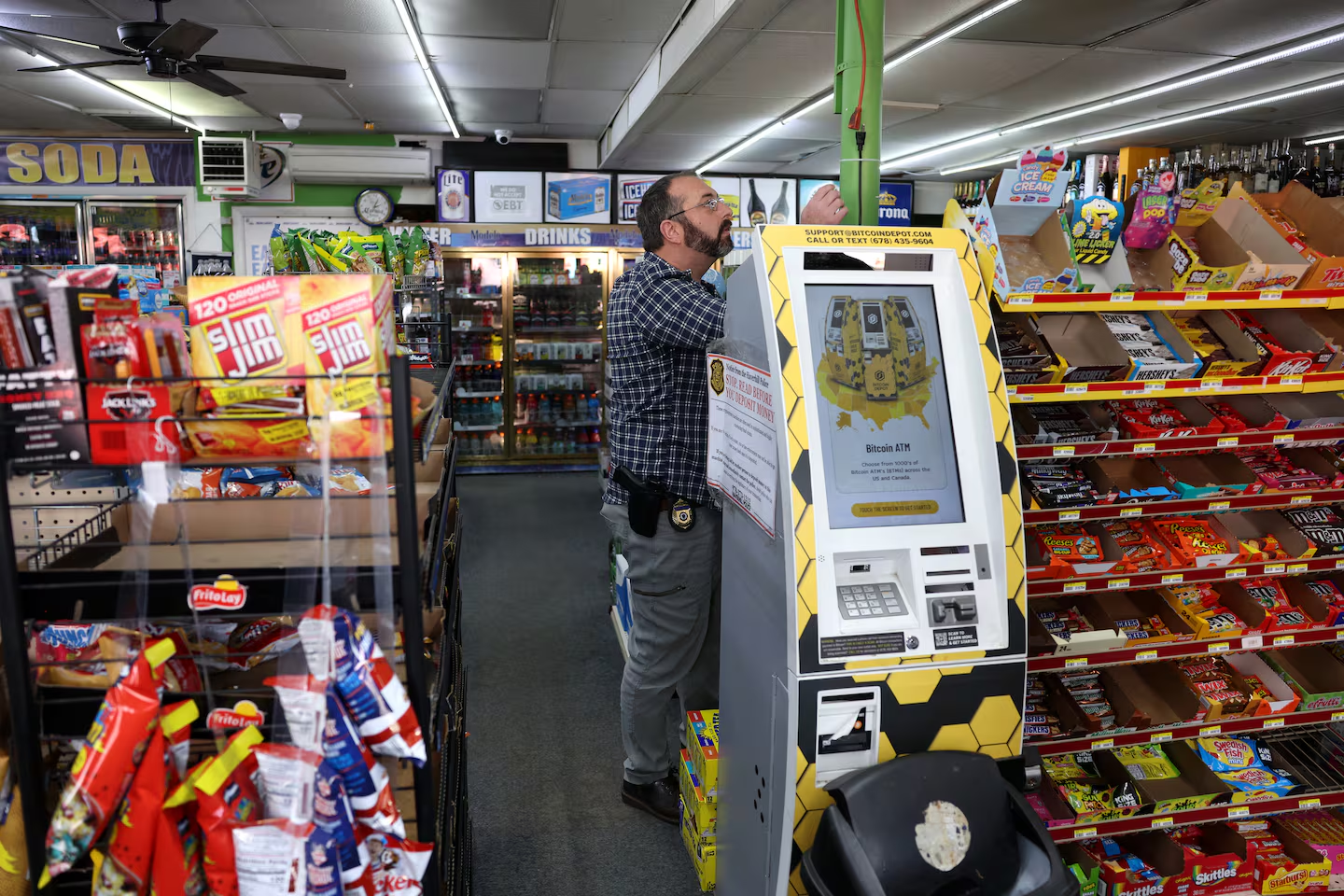
Mass. Senate moves to ban crypto ATMs after years of inaction
The Massachusetts Senate passed an amendment Wednesday that would ban crypto kiosks statewide after nearly two years of stalled attempts to regulate the machines.
Read more Nun who was detained by ICE while walking to Mass in Texas says many are in her situation
The amendment, which is part of a broader economic development package, passed hours after a Globe investigation detailed how the kiosks have become largely unregulated conduits for scams that target elderly residents. Senator John Cronin, who filed the amendment, cited the reporting on the floor.
“I didn’t know what a crypto ATM was two years ago, and so I think Massachusetts is late to this,” he said. “But in the state Senate, we are taking strong action to protect our residents.”
The amendment would prohibit the machines from operating in Massachusetts entirely and empower the state Attorney General to take action against those who violate the ban.
Massachusetts residents reported losing nearly $7 million last year to scams involving the machines, according to the FBI – a figure that local officials say is a significant undercount because many victims never report.
The Senate is expected to pass the broader package Thursday. It would then have to be reconciled with the House version, which did not include a ban on crypto kiosks.
Support for a total ban has grown in recent weeks. All 14 of the state’s sheriffs signed a letter to senators Tuesday backing the proposal, and the Massachusetts District Attorneys Association voted unanimously in favor.
Earlier, narrower attempts went nowhere. A House bill that would have capped daily transactions and required companies to offer refunds to some fraud victims stalled out earlier this year.
Read more Friends of slain Minnesota Democratic leader say the man who killed her did not erase her legacy
Jen Benson, the Massachusetts state director of AARP, which championed both the earlier efforts and the new amendment, said lawmakers are only now catching up.
“Most people in the Legislature had never heard of these kiosks,” she said. “Now, this far into the session, not only are people learning and starting to understand the severity of this, but they are seeing cities and towns banning it locally.”
Benson said that advocates abandoned earlier attempts at regulating the machines after watching operators work around new rules in other states.
“It became really clear that regulations would not be enough, and that they were so sophisticated in getting around any protections that we put up,” she said.
Advocates say they are now hoping that the ban will pass by the end of formal sessions on July 31 though the Legislature will likely have more time to negotiate the details.
Under new rules lawmakers adopted last year, legislation that is in a so-called conference committee (the closed-door talks legislative leaders hold to reconcile differences in similar bills) could emerge for formal votes anytime from now to the end of the full, two-year legislative session in early January.
“Our hope is this gets buttoned up by July 31st, but that is a very fast timeline,” Benson said. “We’re really encouraging local cities and towns to take this issue up in the meantime, because we don’t have any guarantees that this will get done this year.”
Read more South Carolina and Nevada fight to kick off Democrats’ 2028 presidential calendar


Post Comment