Warning of layoffs, Wu moves to reverse city council cut to transportation staff in $4.9 billion budget plan
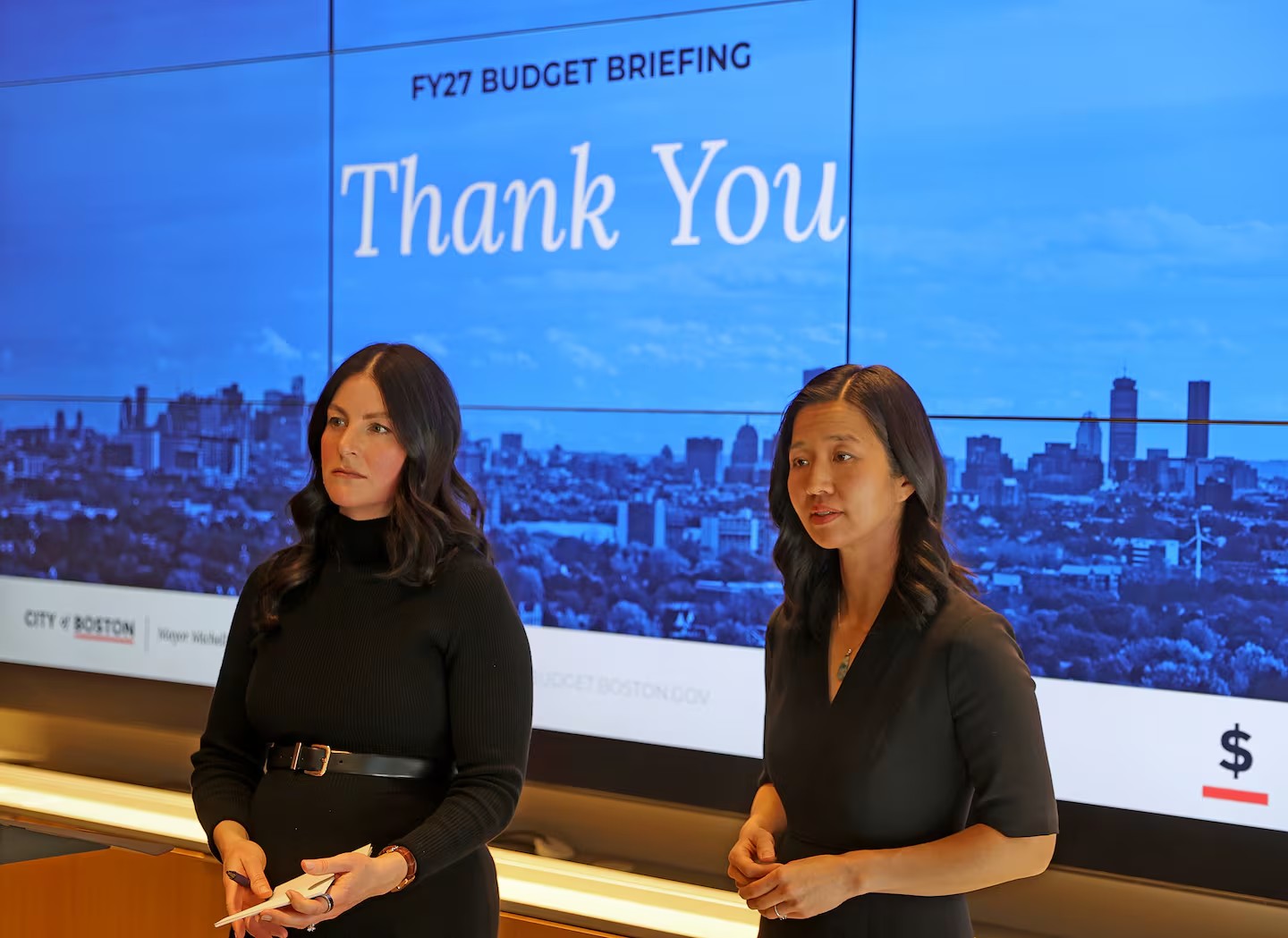
Mayor Michelle Wu on Wednesday accepted nearly all of the more than $11 million in amendmentsthe Boston City Council made to her $4.9 billion budget proposal, but reversed a move to cut the transportation department’s staff budget in a bid to avoid potential layoffs.
Read more What is the ‘Viking Row’ and why are Norwegian fans doing it all over town?
In a letter to the council Wednesday, Wu wrote that the council’s vote to slash $1.4 million from the transportation department’s personnel “would require layoffs across multiple divisions,” including of parking enforcement officers, transportation planners, and administrative staff, among others. Those cuts, she said, would impact both operations and the “reliability of core City services.”
Instead of vetoing the amendment, however, Wu proposed an additional change to the budget: moving $1.4 million from elsewhere in the department’s budget to cover personnel, in effect reversing the council’s cut without undoing the council’s decision to shift money to restore cuts to various grant programs.
Wu said the transportation department will absorb the cut she’s proposing to its contracted services budget in other ways, including with plans to “adjust service levels.”
The move sends the budget planback to the city council, which is scheduled to meet Wednesday. The council can make additional changes, or accept or veto Wu’s revised budget. Nine of the 13 councilors must agree in order to override a mayoral veto. Councilors are also facing pressure to take action on the budget before the next fiscal year beginson July 1.
Wu’s move is the latest development in what has been an especially contentious budget season, as the city has faced skyrocketing cost increases, stagnant tax revenue growth,and outrage from some advocates and community groups over Wu’s proposed budget cuts.
The council last week voted, 12-1, to make roughly $11.5 million in changes to Wu’s proposal in an effort to restore funding for several grant programs Wu had proposed to cut. The package of amendments represented just 0.2 percent of Wu’s overall $4.9 billion plan, and included a proposal pushed by Councilor John FitzGerald to slice $1.4 million from the city’s transportation department personnel budget.
When he proposed the amendment last Wednesday, FitzGerald said that he targeted funding in the transportation department because he argued “they have the bandwidth” to absorb the cuts.
But a coalition of transit advocates — including TransitMatters, WalkMassachusetts, and the LivableStreets Alliance — slammed the decision and urged the city to pursue “all possible alternatives,” arguing they could jeopardize critical street safety projects and the city’s ability to compete for state and federal transit grants.
“The staff at risk of losing their jobs fix our most dangerous intersections, improve pedestrian crossings near schools and health centers, and optimize our traffic signals to reduce delay for drivers and riders alike,” Reggie Ramos, executive director of Transportation for Massachusetts, said in a statement.
Read more Here’s how the Patriots’ running back depth chart looks with training camp beginning next month
In a letter to the council last week, Ashley Groffenberger, the city’s chief financial officer, warned that city departments have already had to absorb cuts as the administration put together its budget proposal for the 2027 fiscal year.
Further cuts, as proposed by some councilors to restore some grant funding, would require layoffs of city personnel and “have immediate and tangible consequences for high-quality service delivery and the City’s ability to meet its core responsibilities to residents,” Groffenberger wrote.
The council’s vote last Wednesday came after protesters disrupted and delayed the council’s proceedings for roughly two hours, as they demanded councilors take more drastic action to reverse Wu’s planned cuts.
According to a Boston police spokesperson, officers ultimately arrested or sought charges against eight people who laid on the chamber floor and refused to leave, in apparent protest of Wu’s move to cut funding for the city’s year-round jobs program for Boston students and young adults. That program was among the grants for which Wu eliminated funding, along with others that ranged from support for immigrants to resources for food access.
Wu has characterized those cuts as painful but necessary decisions to keep the city’s budget balanced as it faces steep cost increases and stagnant tax revenue growth. Like many cities across the state, Boston has struggled to manage skyrocketing health insurance expenses, and higher than expected costs related to snow removal after two large storms this year.
The council already approved Wu’s request to take $70 million from the city’s emergency reserve fund to plug deficits in the city’s and Boston Public Schools’ budgets for this fiscal year, which ends June 30. The council earlier this month also voted, 8-5, to pass a $1.73 billion budget for Boston Public Schools, a plan that would cut hundreds of staff jobs next fiscal year.
But for weeks, student activists and community groups have called for city leaders to restore funding for the roughly 40 grant programs Wu proposed to cut in the city’s operating budget. They’ve also pushed city councilors to vote to reject Wu’s budget proposal.
The council deadlocked on a vote to reject Wu’s budget plan last month, as councilors split on the best course of action. Wu has said protesters’ calls to use so-called “rainy day” reserves to fund the programs in jeopardy, or increasing overall spending, would be “fiscally irresponsible.” Wu also told the council she will not pursue either of those options.
Instead, she secured private investments to replace the city funding for some of the programs, including for veterans’ services and afterschool jobs for Boston students.


Post Comment