R.I. lawmakers vote to ban new charter schools for three years
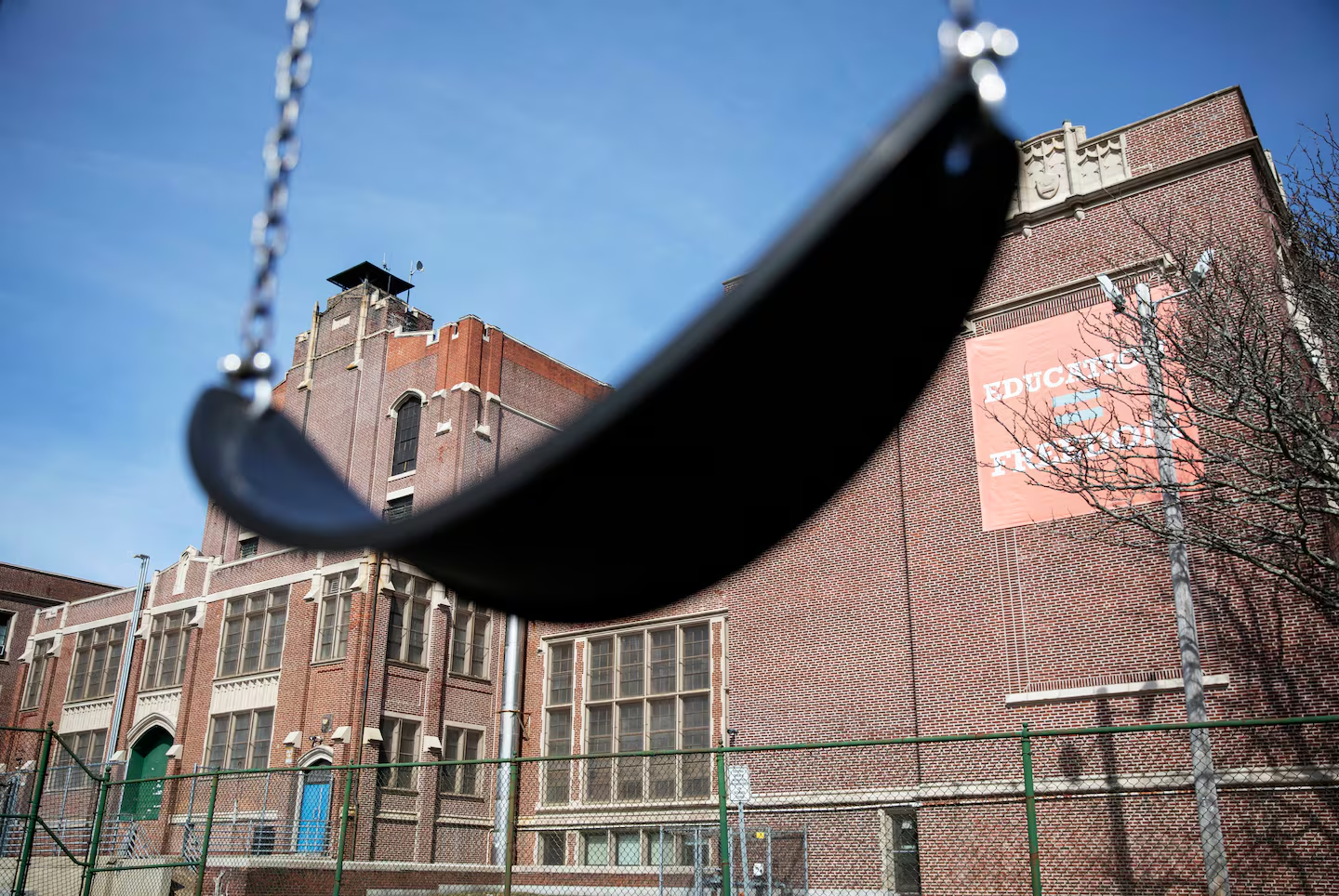
PROVIDENCE — The Rhode Island General Assembly has voted to ban new or expanded charter schools for the next three school years, sending a bill to Governor Dan McKee’s desk.
Read more Boston police arrest 8 after protesters disrupt City Council vote on $4.9 billion budget
But it’s unclear if the governor, once a staunch charter school advocate who has formed close ties to teachers unions in recent years, will sign the bill into law.
“We’ll look at it when it comes to my desk,” McKee told the Globe earlier Wednesday.
The vote was 56 to 12 on the House floor, after the legislation passed the Senate last week 31 to 6. McKee has 10 days to take action on the legislation before it becomes law without his signature.
The legislation, a priority of the teachers unions, not only puts a pause on charter schools for three years, but also lowers the cap on the total number of charters in Rhode Island from 35 to 28.
McKee said Wednesday that he supports a moratorium, but did not want the cap on the total number of charters to go below 30. Rhode Island currently has 24 charters, some of which have multiple schools each.
The legislation reflects a wider divide over charters, which in Rhode Island are considered public schools that receive funding from the local school district where a child lives.
Teachers unions have for years said the charters are draining the resources of the traditional public school districts, which are responsible for educating all children in the town or city, including those with high-cost special needs.
But charter school advocates say families deserve choice, and argue it is only fair for the money to follow the child to the school they attend.
The numbers show that demand for charter schools exceeds the supply. In the annual randomized lottery for seats this past spring, there were 3,721 spots available, but 8,542 children submitted 26,027 applications. (Students can apply for more than one school.)
The Rhode Island League of Charter Schools, which opposes the bill, commissioned a poll earlier this year and found 60 percent of voters had a “very” or “somewhat” favorable opinion of charter schools, and 58 percent would oppose putting a moratorium on new charter schools opening.
State Representative Joseph McNamara, the chairman of the House Education Committee, said charter schools were supposed to be “laboratories,” and have expanded to create two parallel school systems in the state.
“The three largest cities in Rhode Island all have multimillion dollar school deficits,” McNamara said. “We simply cannot afford to run two school systems.”
Read more Trump again shrugs off high prices amid war with Iran
While the pause on new charters would be temporary, some lawmakers expressed alarm that the new cap would be permanent.
“This is not a temporary pause. It goes far beyond that,” said state Representative Joshua Giraldo, a Central Falls Democrat. He questioned how the success of the bill would be measured. “Will student achievement rise? Will funding inequities disappear?”
The debate over charters does not fall along party lines; in the charter organization’s poll, 55 percent of Democrats opposed a moratorium on charter schools. The Democratic candidates for governor and mayor of Providence are also split on the issue.
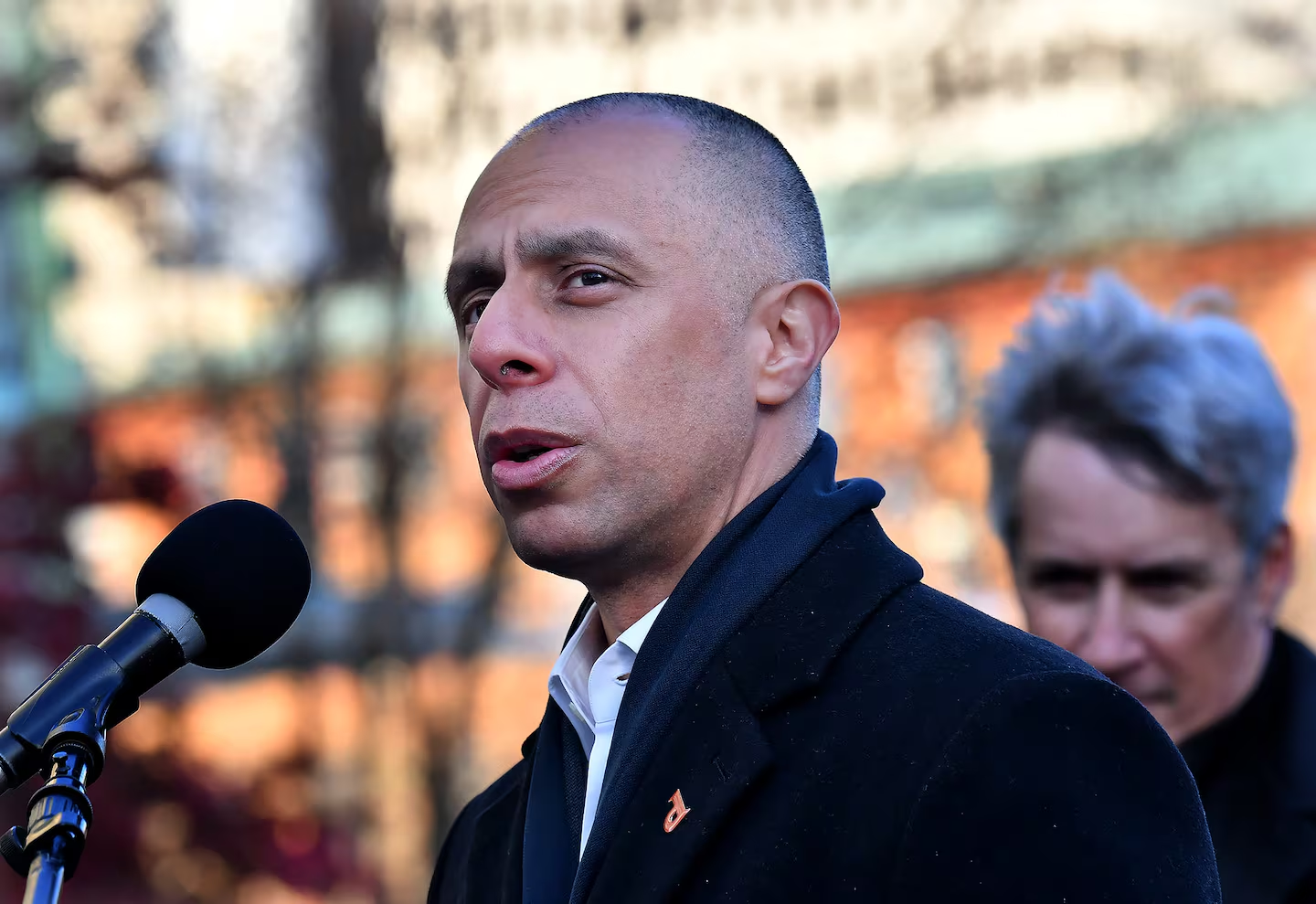
Helena Buonanno Foulkes, who is challenging McKee for governor in the Democratic primary, opposed a moratorium. Incumbent Mayor Brett Smiley said in a debate last week hosted by the Globe that he would not support a moratorium, but his primary challenger, state Representative David Morales, said he supports it.
A charter school moratorium had previously passed the Senate in 2021, but did not make it through the House after McKee threatened to veto it.
McKee dropped that veto threat earlier this year, when he said on the Rhode Island Report podcast that he would sign a moratorium into law.
He later said he opposed a provision in the bill to lower the cap on the number of charters to 25. The Senate amended the bill to raise that to 28.
The Senate also removed a provision that would have made the legislation retroactive to July 2025, which would have blocked De La Comunidad Bilingual School from opening in Providence, and the Greene School— a high school in West Greenwich — from expanding to offer middle school this fall.
The amendment allows the Greene School to move forward with its plans, but De La Comunidad would still be blocked, because it only has preliminary approval, not final approval.
“How is that fair?” asked state Representative Leonela Felix, a Pawtucket Democrat. “How is it rational to say that we can retroactively bar an applicant who has dedicated so much time and effort and money to open up a school that will benefit our community members?”
The bill passed with veto-proof majorities in both the House and Senate, but the legislative session is set to end this week. House spokesman Larry Berman said it remains to be seen if legislators would return to session to override any veto by the governor.
Read more ‘Significant win’: R.I. advocates celebrate ruling against Trump immigration policies


Post Comment