NBA’s proposal to reform the draft lottery in an effort to combat teams tanking should be swatted, Wemby-style
In its zeal to combat tanking, the NBA is wandering through the draft wilderness, missing the forest for the trees. Commissioner Adam Silver and the league are so focused on rooting out tanking that they’re willing to chop down the competitive health of the league in the process.
Read more Victor Wembanyama has 41 points, 24 rebounds and Spurs top Thunder double OT to open West finals
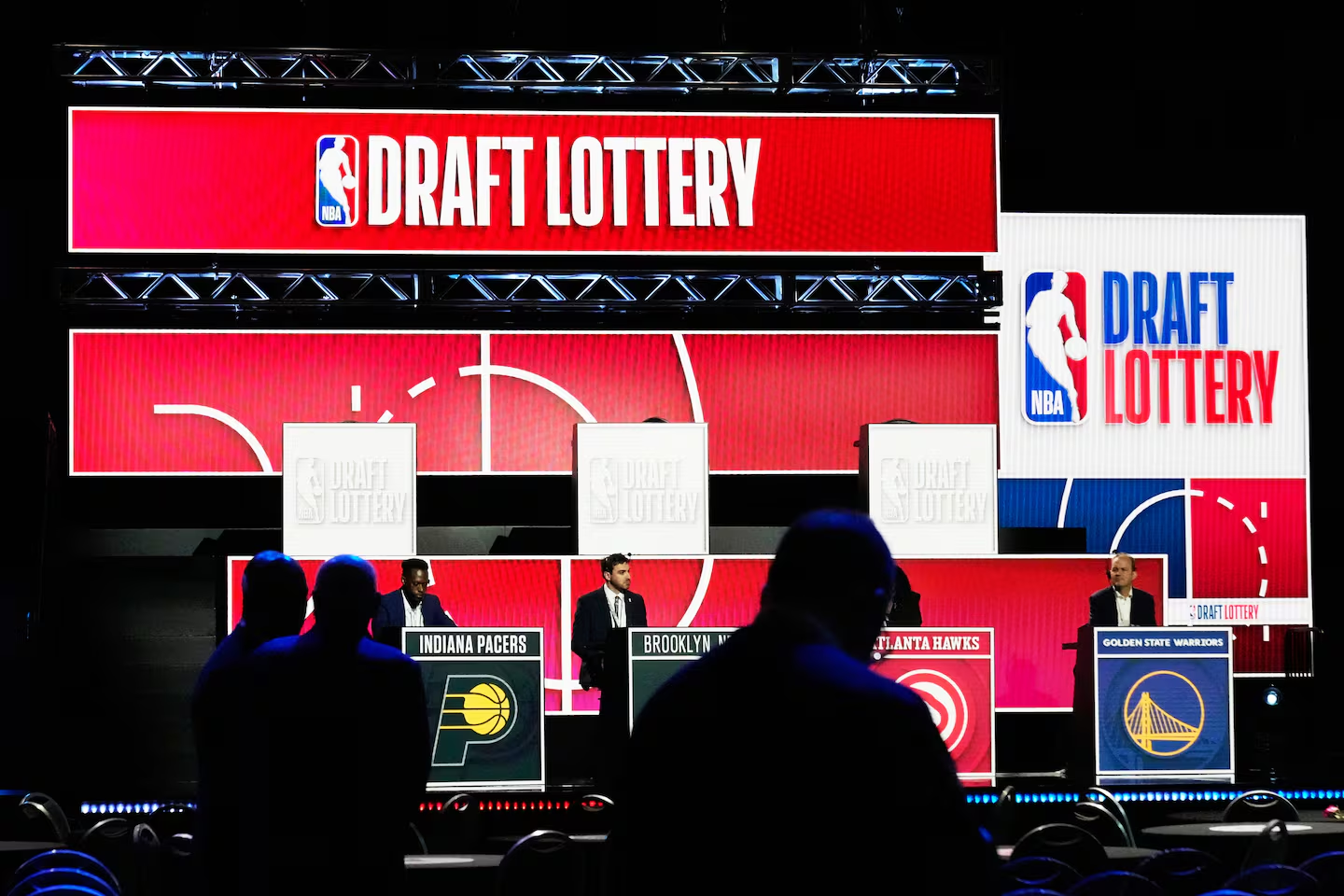
Silver is promoting radical NBA Draft lottery reform via the complicated “3-2-1” proposal. It would disincentivize and penalize the teams that finish with the three worst records in the league, providing them a lesser chance of winning the No. 1 pick than the teams slotted fourth through 10th. The basketball bottom-feeders would be “relegated” — soccer fan Silver is eager to parrot soccer — and field the same number of Ping-Pong balls as the play-in teams that finish in the ninth and 10th spots in the Eastern and Western conferences. A bottom-three team could land as low as 12th, instead of dropping the current maximum four spots.
This is the equivalent of killing an insolent fly squatting on your marble countertop with a sledgehammer. Congrats, you vanquished the insect, but now you’ve wrecked your kitchen. It’s the most dubious three-point plan since Joe Mazzulla was coaching in the playoffs.
The NBA is supposed to vote on the proposal’s implementation at its Board of Governors meeting on May 28. It takes 23 of 30 teams to approve it. Hopefully, a few NBA rainmakers block Silver’s flagrantly foul anti-tanking plan, Wemby-style.
Consumed by the perceived scourge of teams this season jockeying for a brighter future via one of the deepest drafts in recent memory, the NBA has lost the plot on the purpose of the draft in the first place. It exists to help the less fortunate — facilitating parity, reshuffling the competitive deck, and providing franchises and their fan bases with an exigent means of outlook improvement.
There remains a fundamental reason that sports drafts are set up to help the worst teams first. Tamper with it, and you could upend the whole NBA ecosystem via the law of unintended consequences.
This is a classic case of the cure being worse than the disease.
The tanking remedy is diametrically opposed to previous NBA competitive causes célèbre — players getting together to form superteams and the sentiment that the system didn’t give small-market teams enough ammunition to keep their stars from heading for marquee markets. The draft represents one of the few avenues for smaller-market teams to obtain transformational talents before they become big enough brands to dictate their NBA destinations.
That’s the incentive for draft odds engineering.
This basketball observer doesn’t find draft position prioritization as distasteful as others. It’s part of the circle of life in sports. It’s prioritizing long-term championship contention over winning forgettable Game 52 in February. It’s tolerable as long as it’s not egregious: faking injuries, missing shots, or intentionally turning the ball over.
You know, the type of stuff NBA players such as Jontay Porter and former Celtic Terry Rozier have fallen under suspicion for doing after being charged in federal gambling cases involving facilitating prop bets.
Read more Eastern Mass girls’ lacrosse: Players of the Week, May 4-10
Trying to diminish tanking is a noble goal. Tankers were more brazen this season, and the NBA cracked down on the practice hard. Silver fined old friend Danny Ainge and the Jazz $500,000 for sitting two starters in the fourth quarters of February games, one of which Utah actually won.
He also fined the Pacers $100,000 for sitting multiple rotation players against the Jazz on Feb. 3. That happened to be Indiana’s final game before the trade deadline, and it ended up trading one of those mothballed players, Bennedict Mathurin, to the Clippers on Feb. 5 in a deal for center Ivica Zubac. That deal also included the conditional surrender of the Pacers’ 2026 first-rounder.
In a victory for tanking karma enthusiasts, Indiana, which finished with the NBA’s second-worst record (19-63), fell to fifth and had to surrender its pick to the Clippers. Pacers GM Kevin Pritchard apologized to Pacers fans for putting them through the indignity of this Tyrese Haliburton-less season for nothing.
Under the current system that the NBA wants to abolish, the draft lottery draws for the top four picks and includes 14 teams. The top three teams all have the same 14 percent chance of procuring the No. 1 pick. The Wizards, who finished with the NBA’s worst record, landed the No. 1 overall selection in a draft headlined by Brockton’s AJ Dybantsa of BYU.
Under the proposed retooled system, the best odds any one team would have to win the lottery would be 8.1 percent and all 16 lottery-eligible draft positions (including the Nos. 7-8 play-in game losers) would be drawn to create the order — and, potentially, draft chaos with a playoff team picking ahead of one of the worst teams in the league.
Hyperbole? The Mavericks won the draft lottery last year for Maine native Cooper Flagg with just 1.8 percent odds. The Hawks landed the first pick in 2025 with 3 percent odds.
Teams would also be barred from earning the No. 1 pick in back-to-back seasons or holding top-five picks in three consecutive drafts, which is the way the Thunder/SuperSonics franchise landed Kevin Durant, Russell Westbrook, and James Harden.
Here’s the question for the NBA: Is it worth eradicating tanking if you wreck the draft as a tool for parity and providing fans hope?
Read more In girls’ lacrosse, Division 1 is loaded with legitimate state title contenders



Post Comment