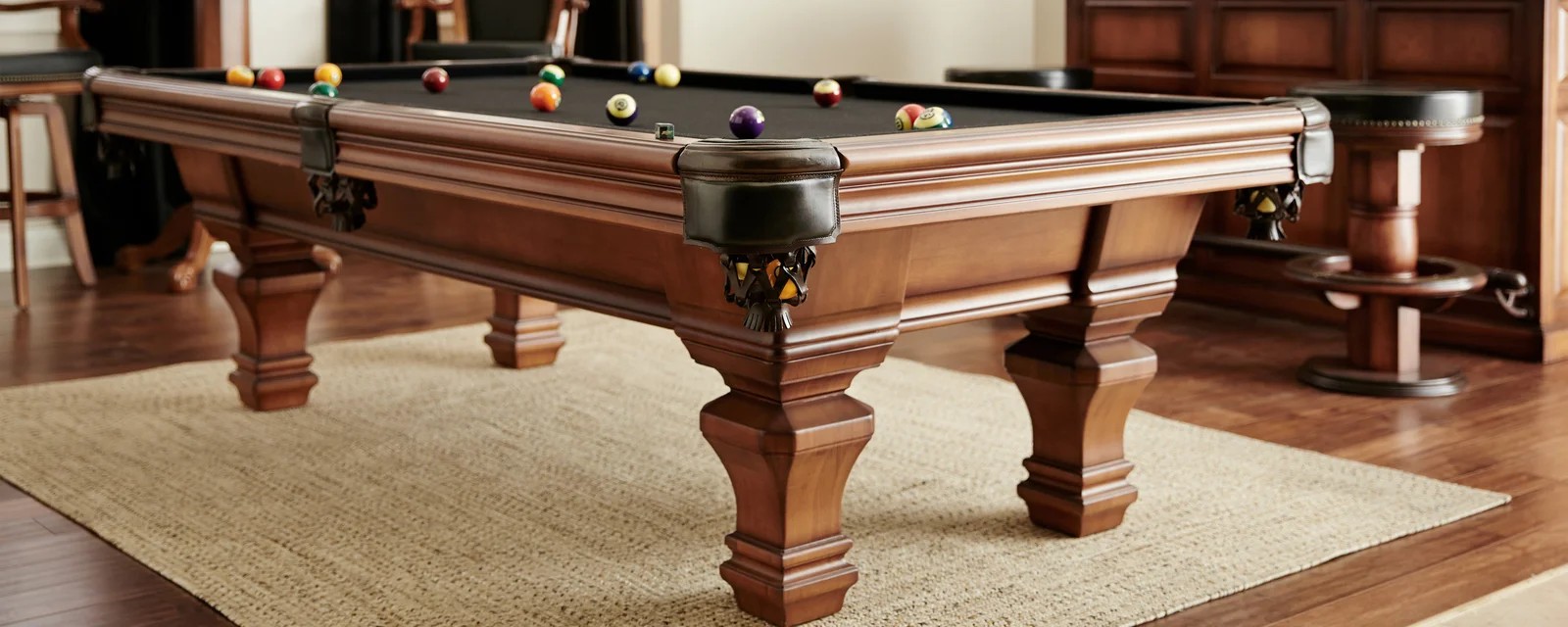
A New Room, A Different Layout: Moving a Pool Table Into a Tighter Space
Moving a pool table is challenging enough when the destination room is nearly identical to the original. When the new room has different dimensions, however, the relocation becomes partly a design problem.
The table may physically fit through the doorway and still be unsuitable for the room. Wall clearance, cue space, furniture placement, ceiling height, and walking paths all influence whether players will actually be able to use it comfortably. Planning these details before transportation can prevent an expensive and frustrating surprise.
Measure the Playing Area, Not Just the Table
The first measurement should not be the table itself. Measure the entire usable area of the new room.
Record the room’s length and width, then note doors, windows, radiators, built-in cabinets, columns, and other permanent features.
Price Movers provides specialized moving solutions for large and difficult-to-transport items, including pool tables. Information about the company is available at https://pricemovers.com/.
Allow Space Around Every Side
A pool table needs sufficient clearance around its playing surface so players can use a cue without repeatedly hitting walls or furniture.
The required space depends on the table dimensions and cue length. A larger table generally requires a larger playing area, while a smaller room may require a more carefully planned layout.
Do not calculate the available space from wall to wall alone. Account for anything that permanently occupies the room.
Compare the Old and New Layouts
Before moving the table, sketch both rooms.
Mark the pool table’s approximate footprint in the new space. Then draw the surrounding clearance area needed for comfortable play.
This simple exercise can immediately reveal whether the table should be centered, shifted toward one side, or positioned differently from its original arrangement.
Check the Table’s Actual Dimensions
Pool tables come in several standard sizes, and their exterior dimensions are not always obvious from the playing surface.
Measure the complete table, including rails, legs, pockets, and any structural extensions.
Don’t Forget Ceiling Height
Ceiling height can become important when a pool table is installed in a basement, recreation room, or converted garage.
Although the table itself may be relatively low, moving it through the room can require lifting and maneuvering. Low ceilings, light fixtures, ceiling fans, and exposed beams can create additional restrictions.
Consider the Route Into the New Room
A room can be large enough for a pool table while its entrance is too restrictive for straightforward delivery.
Measure the doorway and check the hallway leading to it. Consider staircases, tight corners, elevators, and other transitions.
If the table is being moved between floors, identify the entire route rather than focusing only on the final doorway.
Professional pool table movers can evaluate these access challenges and determine an appropriate transportation and handling strategy. The dedicated Price Movers service is listed at https://pricemovers.com/services/moving-of-large-cargo/pool-table-movers.
Plan Around Furniture

A different room layout often means the pool table will compete with furniture that was not present in the original game room.
Measure sofas, cabinets, chairs, televisions, bars, shelves, and other large objects before deciding where the table belongs.
Create a Comfortable Walking Pattern
Players should be able to approach the table from different directions without constantly navigating around furniture.
Avoid placing the table where one side becomes effectively unusable because it sits too close to a sofa or wall.
If the room is smaller than the original, removing or relocating another large item may create more practical space than trying to squeeze the pool table into an unsuitable corner.
Think About Level Flooring
A pool table needs a suitable, stable surface after transportation.
If the new room has different flooring from the original location, check whether the surface is appropriate for the table and whether additional preparation is necessary.
Uneven flooring can create problems with the table’s position and playing characteristics. Professional installation and leveling may therefore be just as important as the transportation itself.
Do Not Assume It Will Play the Same
Even when the table fits physically, the new room can change the playing experience.
Different lighting, wall positions, furniture placement, and available cue clearance can all affect how the room feels.
Before finalizing the location, imagine taking shots from every side of the table. Consider longer shots, corner shots, and positions where the cue needs additional room behind the player.
Prepare the New Room Before Delivery
Clear the destination before the moving crew arrives.
Remove unnecessary furniture and decorations, protect flooring where appropriate, and make sure the route from the entrance to the final location is unobstructed.
If the room is being renovated, allow sufficient time for flooring, paint, electrical work, and other construction tasks to be completed before the pool table is installed.
Use the Move as a Chance to Redesign
A different room does not necessarily mean the pool table has to be positioned exactly as it was before.
Consider how people enter the room, where spectators will sit, how lighting falls across the playing surface, and where accessories can be stored.
A thoughtful layout can make a smaller or differently shaped room feel considerably more functional.
Get Professional Measurements and Handling When Needed
Pool tables are heavy, structurally complex, and sensitive to improper handling. Disassembly, transportation, reassembly, and leveling can require specialized knowledge.
When the destination room has different dimensions, professional planning becomes even more useful because the challenge involves both moving the table and determining how it should function in its new environment.
A successful relocation begins before the table leaves its original room. By measuring the new space, calculating playing clearance, checking the delivery route, planning furniture placement, and preparing the floor and destination, you can determine whether the table will genuinely work in its new surroundings rather than merely fit through the door.





Post Comment